Is 3-2-1 Qatar Olympic and Sports Museum worth visiting?
You step out of the Doha heat and into a cool, high-polish space where medals, torches, jerseys, and giant screens pull you upward through the story of sport. It feels more playful than solemn, especially once the interactive stations start tempting even reluctant museumgoers to join in.
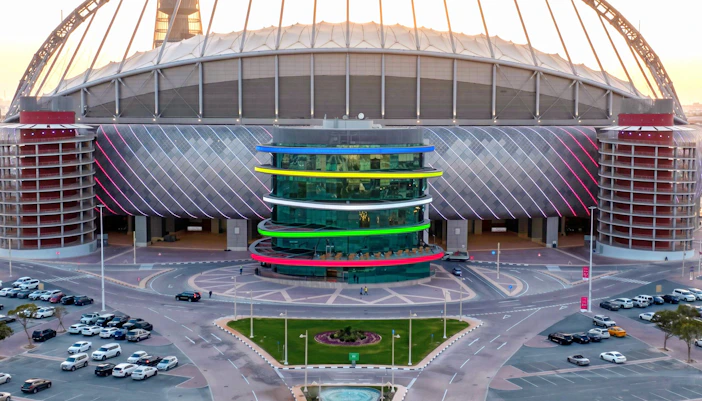
The museum was built to show sport as part of Qatar’s national story, not just as a trophy case. Set beside Khalifa International Stadium, it connects Olympic history, global athletic culture, and Doha’s rise as a host city.
What lingers is the shift from watching sport to measuring yourself against it. You leave having seen elite achievement from close range, then tested your own reactions, balance, or speed in the same visit.
Skip it if you want a quick 30-minute stop or have no patience for reading galleries between the hands-on zones.
What to see at the 3-2-1 Qatar Olympic and Sports Museum?

Global sports history galleries
Start with the broad story of sport across civilizations and modern competition. These galleries give the rest of the museum its context, so don’t rush past them on your way to the interactive spaces.
Olympic movement displays
This is where the museum sharpens its focus, with Olympic history, symbolism, and memorabilia that tie individual objects to bigger sporting moments. It’s the best section for visitors who want more than a photo stop.
Qatar on the world stage
Look for displays on Qatar’s sporting ambitions and major hosting milestones. This section helps explain why the museum belongs in Doha specifically, not just in any stadium district.
Athlete stories and memorabilia
Jerseys, equipment, and personal artifacts make the galleries feel human rather than abstract. If you follow global sport, this is where you’ll likely slow down and spend longer than planned.
Interactive challenge zone
The hands-on area changes the pace completely, with games and activity stations that let you test skills instead of only reading about them. Families often spend the longest here, so build in extra time.
Temporary exhibitions
Your ticket covers any temporary show running that day, which makes repeat visits more rewarding. If there’s a special exhibition on, see it before the final interactive stretch drains your time.
How to explore 3-2-1 Qatar Olympic and Sports Museum
How much time to spend?
Budget 2–3 hours for a full visit, or about 90 minutes if you want a faster walk through the permanent galleries. If you’re visiting with children or plan to linger in the interactive zones, 3–4 hours feels more realistic.
Best visit order
Start at reception, then follow the museum’s recommended route up to the 7th floor first. Work your way down through the galleries rather than dipping in randomly. The top-down sequence makes the storytelling clearer, and it saves the most energetic part — the interactive section — for later.
Must-see highlights
Must-see: the Olympic history displays, Qatar’s host-nation storytelling, athlete memorabilia, and the interactive challenge zone. Optional: temporary exhibitions and a slower second pass through the galleries with the QR audio guide, which can add 30–45 minutes.
Worth adding nearby
Villaggio Mall is the easiest add-on for lunch or a post-museum break, and the wider Aspire Zone turns this into a relaxed half-day. If you want outdoor time afterward, pair the visit with a walk around the stadium district.
Guided or self-paced?
Self-paced is the better fit for most visitors here. The museum already lends itself to browsing, and the included QR audio guide gives enough structure without locking you into a group rhythm. Guided touring is worth it only if you want a broader Doha context around sport, stadiums, and national identity; if you mainly want the galleries and interactives, self-paced is absolutely fine.
Brief history of the 3-2-1 Qatar Olympic and Sports Museum
- 1981: Qatar gains recognition from the International Olympic Committee, an important milestone in the sports story the museum now tells.
- 2006: Doha hosts the Asian Games, accelerating the country’s investment in sports infrastructure, public memory, and global hosting ambitions.
- 2022: The 3-2-1 Qatar Olympic and Sports Museum opens at Khalifa International Stadium under Qatar Museums, turning that long sports narrative into a public institution.
- Today: The museum combines permanent galleries, temporary exhibitions, and interactive displays to present sport as culture, education, and national identity.
Read the full history of 3-2-1 Qatar Olympic and Sports Museum →
Architecture & design of the 3-2-1 Qatar Olympic and Sports Museum
The museum borrows some of its energy from its setting: you arrive in the orbit of Khalifa International Stadium, then move into galleries that feel streamlined, bright, and deliberately spacious. Rather than monumental architecture for its own sake, the design works through sequence. The official route sends you up to the 7th floor first and brings you down through the museum, so the story of sport unfolds as a descent through Olympic history, athlete narratives, Qatar’s hosting role, and interactive challenges. Large media walls, open sightlines, and activity zones stop the visit from feeling like a corridor of display cases. It is contemporary museum design built to keep you moving, looking up, and occasionally joining in.
Who built it?
Developed by Qatar Museums within the Khalifa International Stadium complex, the museum was commissioned to treat sport as part of national culture rather than separate from it. A single star architect is not the point here; the design priority is sequence, clarity, and participation.
Why sport is treated as culture here
What makes this museum unusual in Doha is that it sits inside Qatar’s cultural landscape, not outside it. The institution treats sport as something people collect, remember, debate, and inherit, much like art or archaeology. That changes the tone of the visit. You are not only looking at trophies or famous names; you are seeing how athletics can express discipline, national ambition, global hosting, and everyday participation. Even if you arrive only mildly interested in sport, the museum gives you a useful lens on how modern Qatar presents itself.
Frequently asked questions about 3-2-1 Qatar Olympic and Sports Museum
It’s in the Khalifa International Stadium complex, but you visit it as a museum, not on a stadium tour. Follow museum signage once you reach the complex, and allow a few extra minutes for security screening.
Sometimes, but event days can affect access. The museum warns that entry may be restricted when Khalifa International Stadium is hosting major events, so those are the days when planning ahead matters most.
Yes. Current admission includes the permanent galleries and any temporary exhibitions running on the day of your visit, which gives the experience more depth than a fixed, one-route museum ticket.
It’s included through a QR code, so the visit stays self-paced rather than guided. Bring a charged phone, and ideally headphones, if you want to listen comfortably while moving through the galleries.
Yes. The museum is fully wheelchair-accessible, and the same broad gallery layout makes it manageable with a stroller. Elevators and a structured route make it easier than many multi-level museums.
No. Children under 16 must be accompanied by an adult, even if they are mainly visiting for the hands-on stations rather than the full gallery circuit.
Yes, you can usually buy on arrival, but online booking is better if you want your preferred visit slot already set. This museum is not usually queue-led; access conditions matter more than sell-outs.