Doha Tickets

Museum of Islamic Art visitor guide

The Museum of Islamic Art is Doha's flagship collection of Islamic art, best known for centuries-spanning objects shown across permanent and temporary exhibitions. The experience is calmer than a blockbuster museum, but it still rewards a plan: you'll get much more from the galleries if you build in time for the QR audioguide and don't treat it as a quick photo stop. Use this guide to sort timing, entry, transport, accessibility, and how to pace your visit comfortably.

Quick overview: Museum of Islamic Art at a glance

If you want a smooth visit, make three decisions first: when to go, how long to stay, and whether a self-guided ticket is enough for you.

  • When to visit: The museum is open daily except Wednesday. A weekday daytime visit is noticeably calmer than a late-afternoon or weekend visit, and it gives you more quiet gallery time before the waterfront area gets busier.
  • Getting in: Museum of Islamic Art Entry Tickets include access to permanent and temporary exhibitions plus a QR audioguide. Booking ahead makes the day easier if you want your museum stop locked in before planning the rest of Doha around it.
  • How long to allow: Allow 1.5–3 hours for most visits. It stretches toward the longer end if you use the audioguide properly and spend time in a temporary exhibition.
  • What most people miss: The QR audioguide and the temporary exhibitions are what make the visit feel richer, but many people rush through them and reduce the museum to a fast walk-through.
  • Is a guide worth it? For most visitors, the included audioguide is enough. It gives you context at your own pace and makes more sense than paying more unless you specifically want a live expert.

Jump to what you need

🗓ïļ How much time do you need?

🎟ïļ Which ticket is right for you?

🖞ïļ What to see

â™ŋ Facilities and accessibility

Where and when to go
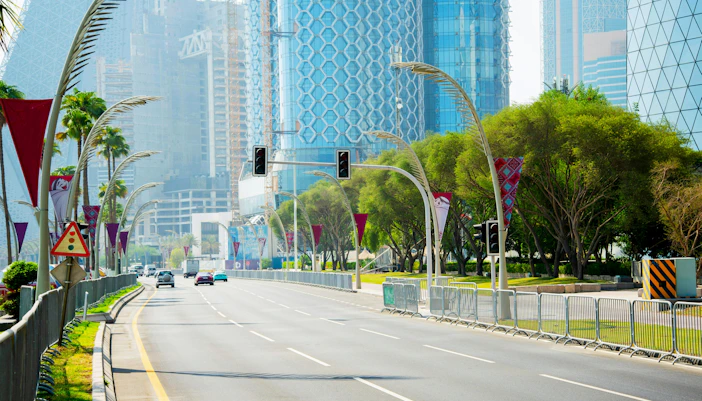
How do you get to the Museum of Islamic Art?
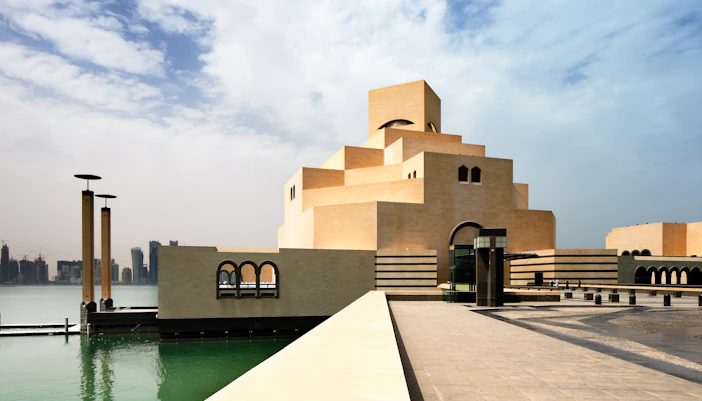
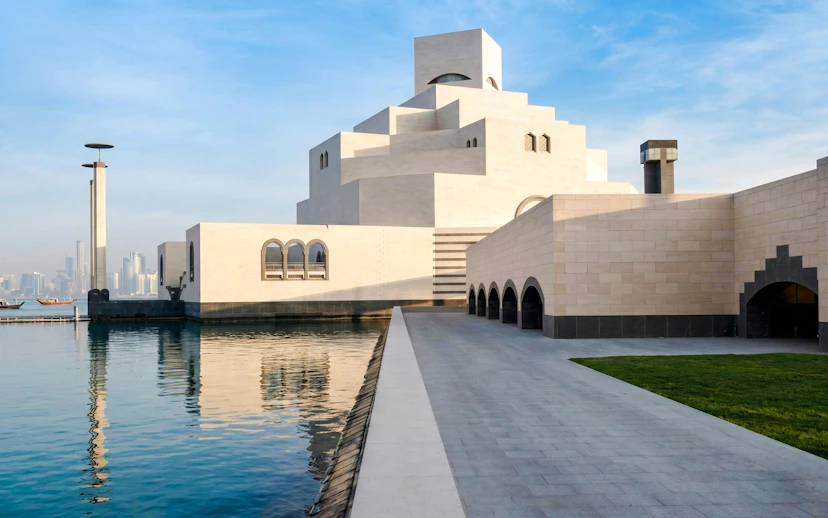
The museum sits on Doha's waterfront and is easy to build into a Corniche day, especially if you're arriving by taxi, car, or as part of a longer walk.

Museum of Islamic Art, Doha, Qatar

​→ Open in Google Maps

  • Metro: Use the metro for most of the journey, then expect a final walk or a short taxi ride to the entrance.
  • Taxi/rideshare: The simplest option for most visitors, with direct drop-off close to the museum entrance.
  • Car: On-site parking is available, which makes driving practical if you're combining the museum with other Doha stops.

Which entrance should you use?

The setup is straightforward because most visitors use the main public entrance, and the small delay usually comes from security rather than from finding the right door.

  • General entry line: For standard visitors using regular admission. Expect the slowest movement when more people arrive in the same window.
  • Pre-booked ticket holders: Keep your booking confirmation ready so the check-in process stays quick and predictable.

When is Museum of Islamic Art open?

  • Thursday–Tuesday: Open for regular visits.
  • Wednesday: Closed.
  • Last entry: Give yourself enough buffer to clear security and still see the permanent galleries and any temporary exhibition you care about.

When is it busiest: Late afternoons, weekends, and dates with special exhibitions feel busier because more visitors fold the museum into a wider waterfront plan.

When should you actually go: A weekday daytime visit gives you quieter galleries and more mental space for the audioguide before the Corniche area becomes livelier.

Wednesday closures can change your whole Doha plan

If the museum is the anchor of your day, don't leave it for Wednesday and assume you'll fit it in around other waterfront stops. Build it into a Thursday–Tuesday plan instead, then use MIA Park or the Corniche before or after it.

How much time do you need?

Visit typeRouteDurationWalking distanceWhat you get

Highlights only

Ground floor introduction → key masterpieces → selected upper-floor galleries → exit

1–1.5 hrs

Minimal–moderate

See the museum’s standout works and get a quick introduction to Islamic art, but skip several thematic galleries and deeper collection sections.

Balanced visit

Ground floor introduction → permanent galleries across the main floors → key collection highlights → exit

2–2.5 hrs

Moderate

Explore the main permanent collection at a comfortable pace, covering major themes, periods and regions without rushing through the galleries.

Full exploration

Ground floor introduction → full permanent gallery circuit → temporary exhibitions → museum spaces

3+ hrs

Moderate–extensive

Take time to explore the collection in depth, read interpretive displays and add temporary exhibitions, with more time needed for breaks and photography.

How long do you need at the Museum of Islamic Art?

You'll want around 1.5 to 3 hours for a comfortable visit. That gives you enough time to move through the permanent galleries, see what's on in the temporary exhibition spaces, and actually use the QR audioguide instead of skimming it. If you like reading labels, traveling with children, or adding a waterfront pause, it can stretch closer to half a day. The main mistake is treating it like a 45-minute stop.

Which Museum of Islamic Art ticket is best for you

Ticket typeWhat's includedBest forPrice range

Museum of Islamic Art Entry Tickets

Entry to the Museum of Islamic Art + access to all permanent and temporary exhibitions + QR audioguide + 1-day ticket validity

A self-paced museum visit where you want the freedom to move quickly through the highlights or slow down for the full collection

From QAR 49.60

Purchasing your ticket before you arrive makes entry smoother

⚠ïļ Sorting your ticket before you reach the museum is usually the cleaner option. Arriving with a valid booking confirmation means you start at security with everything ready, instead of using your first museum minutes to sort entry on-site.

How do you get around Museum of Islamic Art?
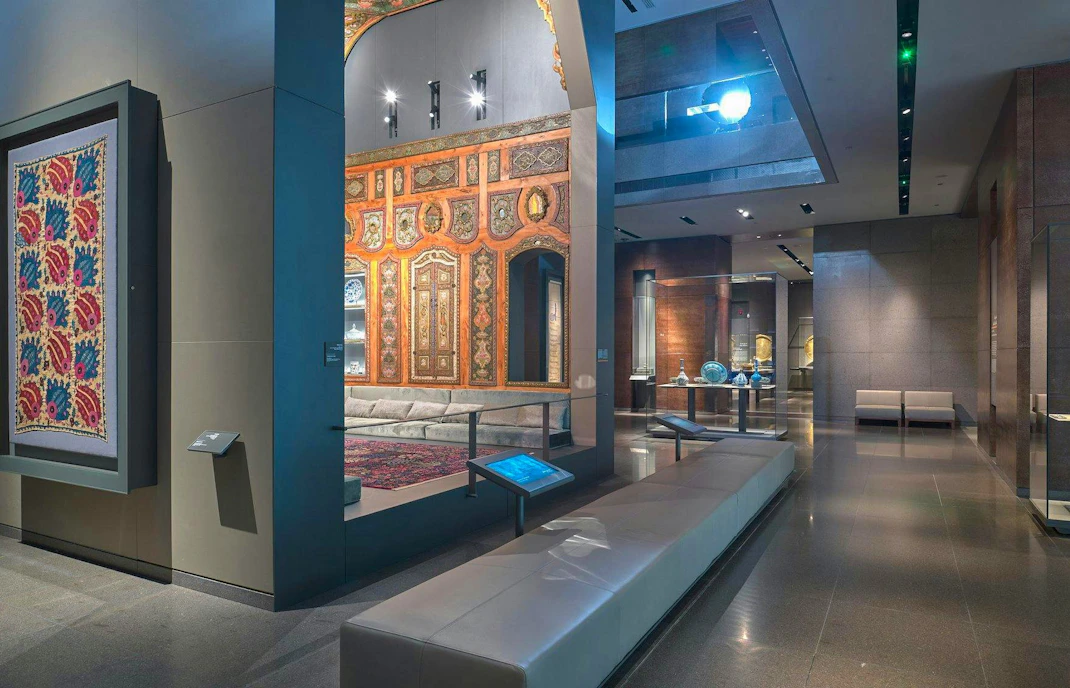
The museum works best as a self-guided gallery sequence, and the visit is much easier if you decide early whether you're focusing on the permanent collection, the temporary exhibition, or both.

Getting around the galleries

  • Permanent galleries: The core collection and the best place to use the QR audioguide slowly → budget about 60–90 min.
  • Temporary exhibitions: The changing part of the visit and the section most likely to make a repeat visit feel different → budget about 20–45 min.
  • Public spaces: Use the entrance and waterfront-facing pause points as a reset between galleries rather than stopping too often mid-visit → budget about 10–20 min.
  • Suggested route: Start with the permanent galleries while your focus is freshest, then move to the temporary exhibition, and leave your scenic pause for the end so you don't break your rhythm too early.

Maps and navigation tools

  • Map: Check for an on-site visitor map when you arrive so you can decide whether to begin with the permanent or temporary displays.
  • Signage: Wayfinding is usually manageable, but checking the exhibition layout early helps you avoid doubling back.
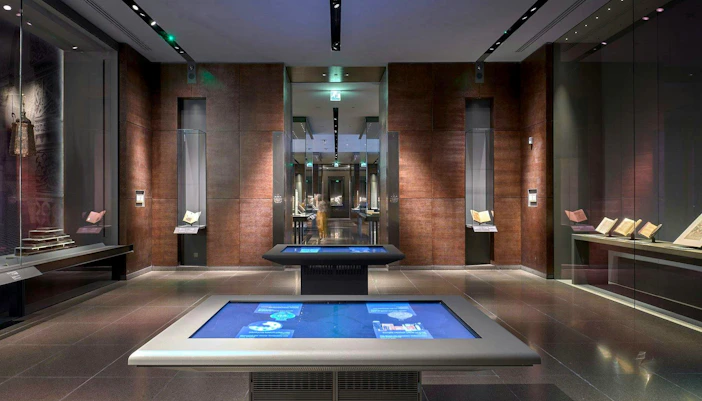
  • Audio guide/app: The QR audioguide is included with Museum of Islamic Art Entry Tickets, and it adds real value if you want context without joining a guided group.

ðŸ’Ą Pro tip: Open the QR audioguide as soon as you enter, not halfway through the visit — the first rooms make much more sense when you have the collection context from the start.

Where are the masterpieces inside Museum of Islamic Art?
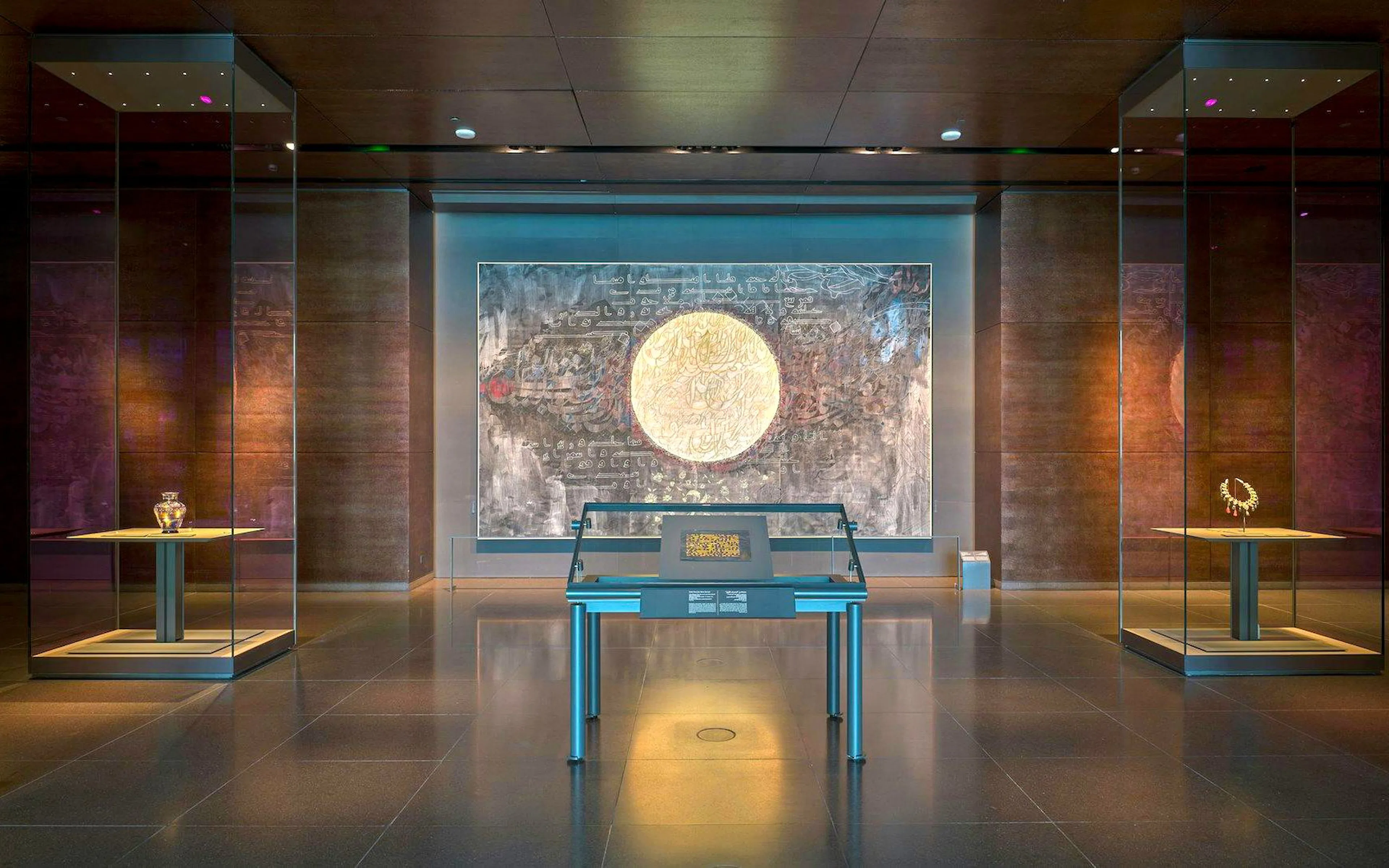
Qurans and manuscripts at Museum of Islamic Art
1/4

Qurans and manuscripts

Attribute — Medium: Illuminated manuscripts

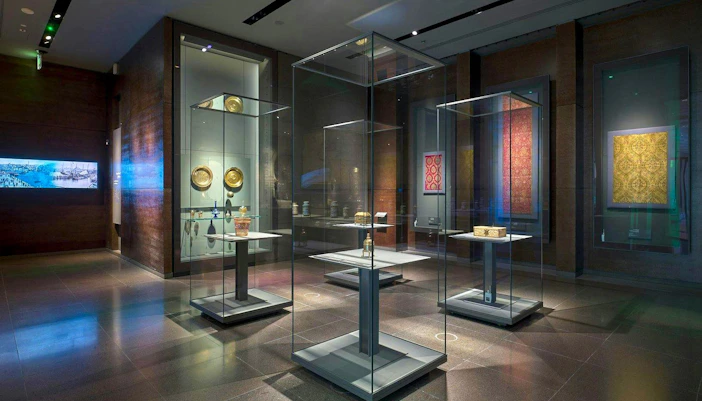
The manuscript displays are where the museum slows you down in the best way. Even if you don't usually linger over text-based works, these rooms reward patience because the detail, script, and page design carry much of the collection's artistry. What most people rush past is the difference in scale — some of the most striking pieces are not the largest ones.

Where to find it: In the permanent collection galleries devoted to calligraphy, books, and manuscript arts.

Ceramics and tilework

Attribute — Medium: Ceramics

These galleries are often easier to connect with than visitors expect because the color, glaze, and surface detail read quickly even on a first pass. Slow down for the pieces with complex patterns rather than only the showiest objects in the case. Many people miss how much regional variety appears once you compare several pieces side by side.

Where to find it: In the permanent collection sequence where decorative arts and ceramics are grouped together.

Metalwork and scientific objects

Attribute — Medium: Metalwork and instruments

This is one of the most rewarding sections if you like objects that mix beauty with practical use. The best pieces are not only visually impressive — they also show how craft, astronomy, measurement, and daily life intersected across the Islamic world. Visitors often skim these cases too quickly because the detail reads better up close than from a distance.

Where to find it: In the permanent galleries covering metalwork and functional objects.

Textiles and jewelry

Attribute — Medium: Textiles and adornment

These displays add a more intimate scale to the visit after the larger visual impact of ceramics and metalwork. They're worth slowing down for because they show everyday luxury, technical skill, and personal taste rather than only monumental art. What many visitors miss is how delicate material and fine workmanship can carry as much presence as larger showpieces.

Where to find it: In the permanent collection galleries that focus on decorative and personal objects.

The temporary exhibition is the section many visitors skip too quickly

A lot of people do the permanent collection and head straight out, which means they miss the one part of the museum most likely to make the visit feel current rather than checklist-driven. Check what's on when you arrive and decide early whether it deserves 20–45 min of your time.

Facilities and accessibility

  • 🎧 Audioguide: A QR audioguide is included with Museum of Islamic Art Entry Tickets, so bring a charged phone for the smoothest self-guided visit.
  • ðŸ…ŋïļ Parking: On-site parking is available, which makes driving one of the easier ways to reach the museum.
  • ðŸšŧ Restrooms: Standard museum facilities are available inside the visitor areas, so you can settle in for a longer visit without planning around nearby stops.
  • 🊑 Seating/rest areas: Use the public transition spaces between galleries for a short pause so the collection doesn't blur into one continuous loop.
  • ðŸ‘Ļ‍ðŸ‘Đ‍👧 Supervision: Children under 16 must be accompanied by an adult, so family groups should plan to stay together through the galleries.
  • â™ŋ Mobility: The museum is fully accessible for wheelchair users, with suitable access throughout the venue.
  • 👁ïļ Visual impairments: The QR audioguide is helpful if you want added context without relying only on wall text, and staff can guide you toward the best self-paced route on arrival.
  • 🧠 Cognitive and sensory needs: A weekday daytime visit is the easiest option if you want a calmer environment with fewer people moving through the same rooms.
  • ðŸ‘Ļ‍ðŸ‘Đ‍👧 Families and strollers: The same step-free access that helps wheelchair users also makes the visit easier with strollers, especially if you keep to a simple permanent-gallery-first route.

The museum suits children best when the visit is paced as a focused family outing rather than a long, label-heavy marathon.

  • 🕐 Time: Around 60–90 min is realistic with younger children, and the permanent galleries are usually the best place to focus first.
  • 🏠 Facilities: On-site parking and step-free access make the museum easier to manage with children than a stop that depends on multiple transfers.
  • ðŸ’Ą Engagement: Use the QR audioguide selectively instead of trying to hear every stop, then let children choose one or two objects per gallery to focus on.
  • 🎒 Logistics: Bring water, keep phones charged for the audioguide, and aim for a daytime visit when the museum feels calmer.
  • 📍 After your visit: MIA Park is the easiest follow-up stop if children need outdoor space right after the galleries.

Rules and restrictions

What you need to know before you go

  • Entry requirement: Museum of Islamic Art Entry Tickets are valid for 1 day from your selected visit date and include access to permanent and temporary exhibitions.
  • Children: Anyone under 16 must be accompanied by an adult throughout the visit.
  • Bag policy: Travel light so security screening stays quick and you can move through the museum more comfortably.
  • Dress guidance: There is no need to overdress, but respectful, modest clothing is the safest choice for a cultural visit in Doha.

Not allowed

  • ðŸšŦ Food and drink: Keep food and open drinks for before or after the galleries rather than bringing them into exhibition spaces.
  • 🚎 Smoking/vaping: Treat the museum as a no-smoking indoor environment unless staff direct you to a designated outdoor area.
  • ðŸū Pets: Regular pets are not part of the museum visit, while service-animal access should be confirmed directly before arrival if needed.
  • 🖐ïļ Touching exhibits: Do not touch display objects or cases, because the museum experience depends on preserving delicate works.

Photography

  • Personal photography is usually best approached as a low-key museum activity rather than a full shoot.
  • Follow room signage closely because temporary exhibitions may apply their own rules even when other areas feel more flexible.
  • Flash, tripods, and bulky filming setups are the items most likely to create problems unless a specific area clearly permits them.

Good to know

  • Phone battery: If you want to use the QR audioguide properly, arrive with a charged phone instead of assuming you can improvise once you're inside.
  • Temporary exhibitions: Rules and pacing can shift slightly when a major temporary exhibition is on, so check what is showing before you commit to a quick visit.

Practical tips

  • Booking and arrival: Book your Museum of Islamic Art Entry Tickets before you finalize the rest of your Doha day, so the museum doesn't become a last-minute gap filler.
  • Pacing: Use the QR audioguide from the first gallery, because the early rooms give the rest of the visit its context.
  • Crowd management: A weekday daytime visit usually feels easier than a late-afternoon stop, especially if you want quiet time with the permanent collection.
  • What to bring or leave behind: Bring a charged phone and your own earphones for the QR audioguide, and keep bags small so security is faster.
  • Food and drink: Treat the museum as one continuous visit, then eat before or after rather than interrupting the gallery flow too often.
  • Family pacing: If you're visiting with children, pick a few sections to do well instead of trying to cover every room in one push.

What else is worth visiting nearby?

Commonly paired: MIA Park
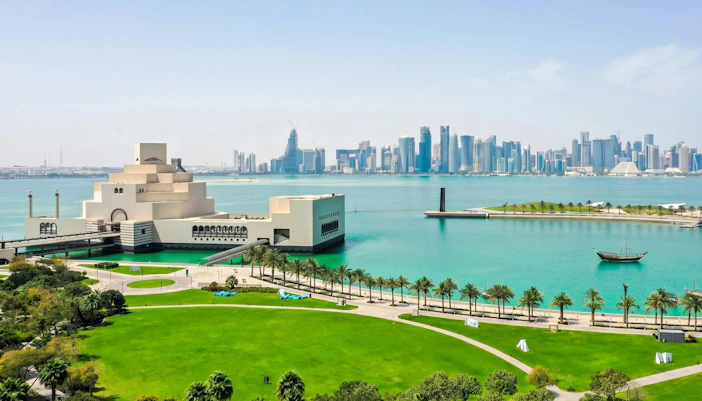
  • Distance: A short walk from the museum — about 2–5 min on foot
  • Why people combine them: It is the easiest pairing because it extends the visit naturally from indoor galleries to open waterfront views without needing extra transport.

Commonly paired: Doha Corniche

  • Distance: Right by the museum area — best reached on foot
  • Why people combine them: The Corniche turns a museum visit into a fuller Doha outing, especially if you want skyline views, an evening stroll, or a gentle reset after the galleries.

Also nearby

Souq Waqif

  • Distance: About 2 km — around 5–10 min by car or a longer walk
  • Worth knowing: It works better after the museum than before if you want a change of pace from quiet galleries to food, shops, and street energy.

National Museum of Qatar

  • Distance: About 4 km — roughly 10 min by car
  • Worth knowing: This is the strongest museum pairing if you want a more museum-focused day, but only if you have the energy for a second substantial cultural stop.

Eat, shop and stay near Museum of Islamic Art

  • On-site: Museum cafÃĐ options can change, but eating on-site is the most seamless choice if you want to stay in the museum-and-waterfront rhythm.
  • Corniche cafÃĐs: Short walk, Corniche area; best for a coffee or light stop once you are done with the galleries and want to stay near the water.
  • Souq Waqif restaurants: Short taxi ride, Souq Waqif area; better if you want a proper meal and more choice than a quick museum break.
  • West Bay dining spots: Short drive, West Bay; useful if the museum is one stop in a broader city day and you want a more polished sit-down meal.
  • ðŸ’Ą Pro tip: Do the galleries first and eat afterward; the museum visit feels much more rewarding when you keep it as one continuous session.
  • Museum shop: The most relevant place to browse if you want art-led gifts or a museum keepsake tied directly to the visit.
  • Souq Waqif: Better than a museum stop for a longer shopping session, especially if you want the atmosphere as much as the purchase.

Staying near the museum works best if you want a quiet waterfront base and plan to build in Corniche time. It is less practical if your trip is centered on dense dining and nightlife within walking distance. For a short, culture-first stay, the area is pleasant; for a broader Doha base, other neighborhoods are easier.

  • Price point: The waterfront side of Doha usually leans mid-range to upscale, with better value once you move slightly away from the immediate museum area.
  • Best for: Short stays where you want a scenic base, easy car access, and a calm start or end to the day.
  • Consider instead: Souq Waqif or Msheireb suit travelers who want more food, shopping, and city life within walking distance.

Frequently asked questions about visiting Museum of Islamic Art

Most visits take 1.5–3 hours. That is enough time to cover the permanent galleries, see the temporary exhibition spaces, and use the QR audioguide without turning the visit into a rush. If you read labels closely or visit with children, it can easily stretch longer.